As a solo worker, you are your own manager, motivator, and sometimes (unfortunately), your own worst critic. You set the deadlines, chase the clients, and decide when the workday begins—or never ends. You are responsible for celebrating your wins, but also for pushing through the late nights, the uncertainty, and the inevitable mistakes. With no external boss to set boundaries or offer encouragement, the voice in your head often takes on that role. That voice can drive you to achieve, but it can just as easily turn into a relentless critic that undermines your confidence and chips away at your wellbeing.
The Hidden Costs of Harsh Self-Talk
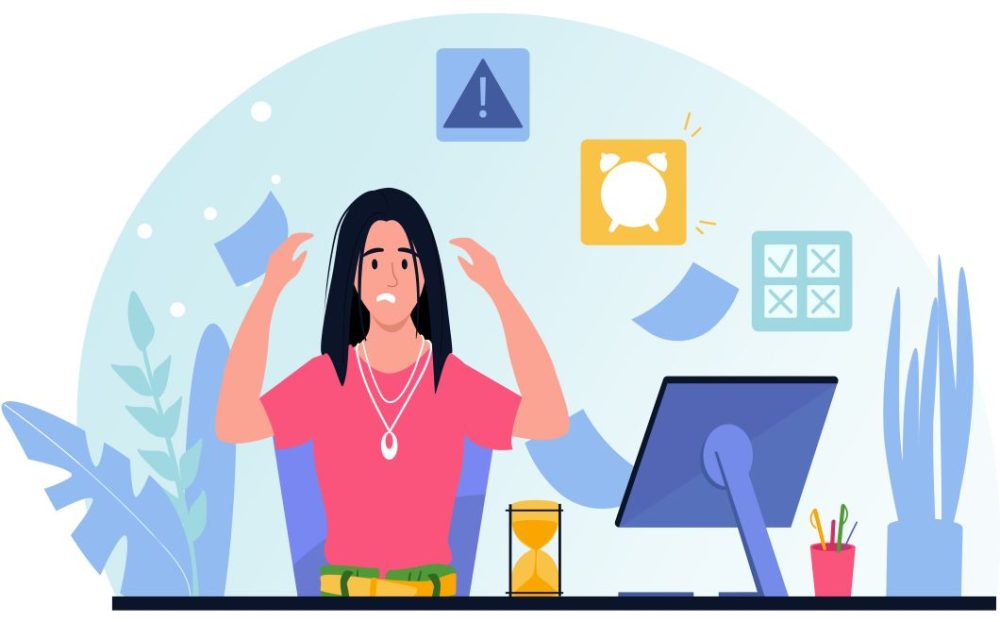
Imagine a boss who constantly belittles your efforts, dismisses your achievements, and sets impossible expectations. You would likely quit (or at least seek a healthier work environment). Yet many freelancers tolerate this same treatment from themselves.
This “inner bully” activates the same neural pathways as external criticism, leading to stress and less motivation over time. Studies show that self-criticism is closely linked to anxiety, depression, and burnout. For women freelancers in particular, research suggests societal pressure for constant improvement, combined with the isolation of freelancing, can amplify this critical inner dialogue.
The good news? Just as you can learn to be a tough boss to yourself, you can also learn to be a better one.
What Does a Good Boss Look Like?
Think about the qualities you value in a great leader: empathy, encouragement, fairness, and constructive feedback. Research consistently shows that employees thrive under managers who combine high expectations with compassion and understanding.
As your own boss, you can embody these same qualities. That means being kind to yourself when you fall short, recognising your achievements instead of overlooking them, and allowing room for mistakes as part of the learning process. Psychologists describe this as self-compassion—a practice that has been proven to boost resilience, improve emotional regulation, and increase job satisfaction.
Dr. Kristin Neff, a pioneering researcher and leading advocate for self-compassion, has identified three key elements:
- Self-kindness: Treating yourself with warmth and understanding during times of failure.
- Common humanity: Recognising that setbacks are part of the shared human experience.
- Mindfulness: Staying aware of your emotions without over-identifying with them.
In practice, being a ‘good boss’ to yourself might look like setting realistic goals instead of impossible standards, taking much-needed breaks, and reflecting on progress with encouragement rather than criticism.

How to Be the Boss You Deserve
- Recognize Negative Self-Talk: Awareness is the first step. Notice when you’re being self-critical and challenge those thoughts.
- Reframe Mistakes as Learning Opportunities: Instead of berating yourself, view errors as stepping stones for growth.
- Set Realistic Expectations: Aim for progress, not perfection. Perfectionism often leads to procrastination and burnout.
- Celebrate Small Wins: Pause to acknowledge your achievements, no matter how minor they seem.
- Practice Self-Compassion: Explore activities such as mindfulness meditation, journaling, or even short moments of self-reflection.
- Seek Support: Connect with fellow freelancers, mentors, or peer groups who can provide perspective and encouragement.
Self-Compassion is Key
Independent professionals often fall into the trap of self-criticism; however, the good news is that it’s a habit you can change.
Research shows that self-compassion does not make us lazy or complacent; it fuels resilience and motivation. A self-compassionate approach has been linked to lower stress and anxiety, greater creativity, and better problem-solving. By embracing it, you can cultivate a healthier, more sustainable working style that values progress over perfection and views failure as part of the process. Those who respond to setbacks with compassion are also more likely to take responsibility, learn from mistakes, and bounce back stronger.
The way you treat yourself sets the tone for both your wellbeing and your work.
Instead of being your harshest critic, strive to be the kind of boss who encourages growth, celebrates effort, and supports work-life balance. In the long run, it’s not just your mental health that benefits; it’s your business too.