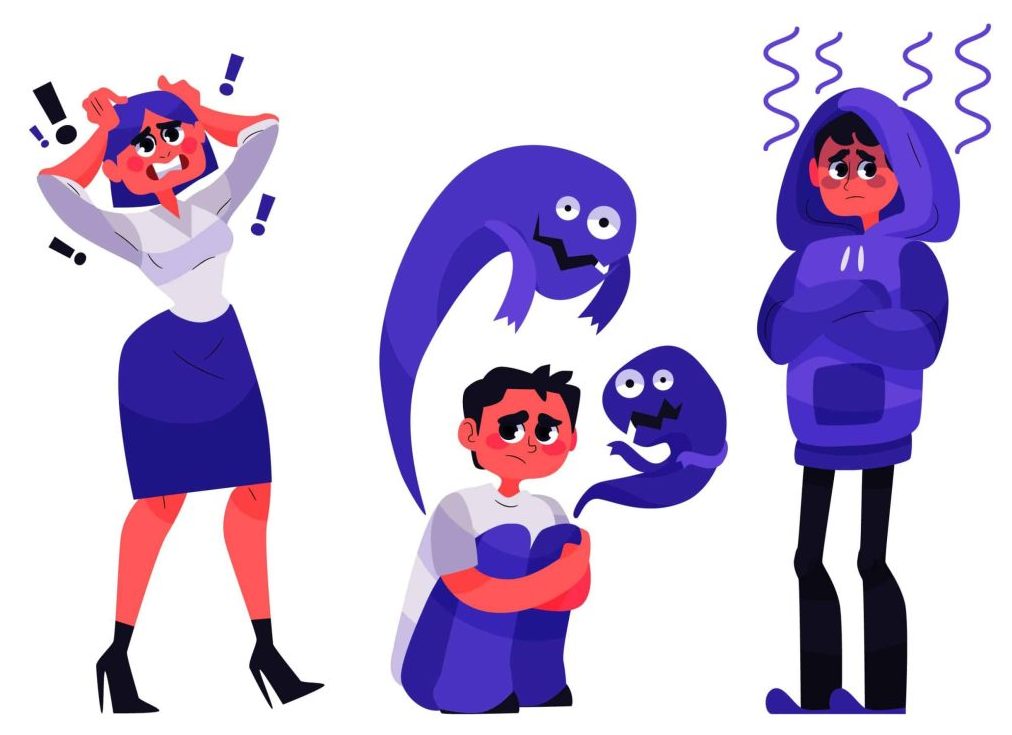
Fear is an inevitable part of professional life. Whether it’s launching a new project, pitching an innovative idea, or stepping into an unfamiliar role, fear can paralyse decision-making, stunt creativity, and hold back growth. However, fear is not just a barrier; it is also a signal that can highlight areas where growth is possible, challenges are worth tackling, and lessons are worth learning. It can also pinpoint opportunities that could transform your career.
By acknowledging the fears that arise in business, they can be addressed, and your initial anxieties can become catalysts for positive change. Whether overcoming self-doubt, taking financial risks, or challenging convention, the key is to face your fears head-on (step by step).
Identify Your Business Fears
Every entrepreneur and professional encounters fear or uncertainty about the future. The key to managing these emotions is clarity. You cannot overcome what cannot be defined; however, recognizing your fears gives you the power to plan around them, make informed decisions, and take strategic risks instead of letting hesitation dictate your actions.
The most common business fears that many entrepreneurs face include:
- Fear of failure — The concern that your business may collapse, money may be lost, or your efforts may prove futile.
- Fear of uncertainty — Anxiety about how the market will respond, whether your idea will gain traction, or how external forces might hit you.
- Fear of financial instability — The stress of giving up a steady income, running out of cash, or being unable to sustain the business financially.
- Fear of rejection — Apprehension over the likelihood of rejection from investors, customers, or partners, and the fear that your pitch, product, or idea won’t be accepted.
- Fear of success — It might sound surprising, but some people fear success itself — the pressure to keep performing, the challenges of scaling up, the changes it brings to relationships, and the added weight of new responsibilities.
It is essential to ask yourself what specific business outcomes you are concerned about and consider whether this fear is based on data and facts or influenced by past negative experiences. Noting these fears transforms them from vague anxieties into concrete challenges that can be addressed.

Reframe Fear and Take Strategic Action
Fear is not only a barrier; it’s a signal that something meaningful is at stake. In business, fear often highlights areas that need preparation, growth, or focus. When reframed this way, fear becomes a practical decision-making tool rather than an emotional roadblock.
Begin by imagining the worst-case scenario and considering how you would manage it. Next, identify and rank your fears by intensity, then create concrete action steps for each one. For example, if you feel nervous about pitching a client, that tension highlights an opportunity to refine your presentation; if you hesitate to launch a new product, it may indicate areas where further research or skill-building is needed.
Overcoming fear does not mean diving into the unknown without a plan. Progress comes from small, deliberate actions: test ideas on a limited scale before a full launch, practice presentations in low-stakes settings, and break larger goals into achievable milestones. Celebrating each success along the way strengthens confidence and turns anxiety into a practical tool for growth and strategic decision-making.
Adopt a Success-Oriented Mindset
Fear often triggers self-criticism, but harsh judgment exacerbates anxiety. How you respond to fear in business is critical. For instance, the key difference between struggling and successful entrepreneurs is that successful ones recognise their fears and take action even when things are uncertain.
Overcoming fear requires a mindset shift: reframing failure as feedback and managing uncertainty by focusing on what can be controlled. For instance, planning finances carefully, viewing rejection as a learning opportunity, and defining success on your own terms all help turn fear into a catalyst for progression.
Fear will never fully disappear from the business landscape, but it does not have to hold you back. Identify your fears, treat them as guidance, take small steps, prepare carefully, accept setbacks, and practice self-compassion to make anxiety work for you.
Each time fear arises, see it as an invitation to grow rather than a signal to retreat. Facing fear head-on is not just an act of courage; it’s a strategy for clarity, resilience, and unlocking your fullest potential.