To thrive in 2026, creative freelancers and businesses must start planning strategically now to stay ahead of the curve. Talent alone is no longer enough in today’s fast-paced, highly competitive landscape, shaped by technological advances and shifting economic realities. Creative professionals will need to take a deliberate approach to business development by adapting to AI-driven workflows, evolving audience behaviour, new funding opportunities, and rapidly changing digital platforms.
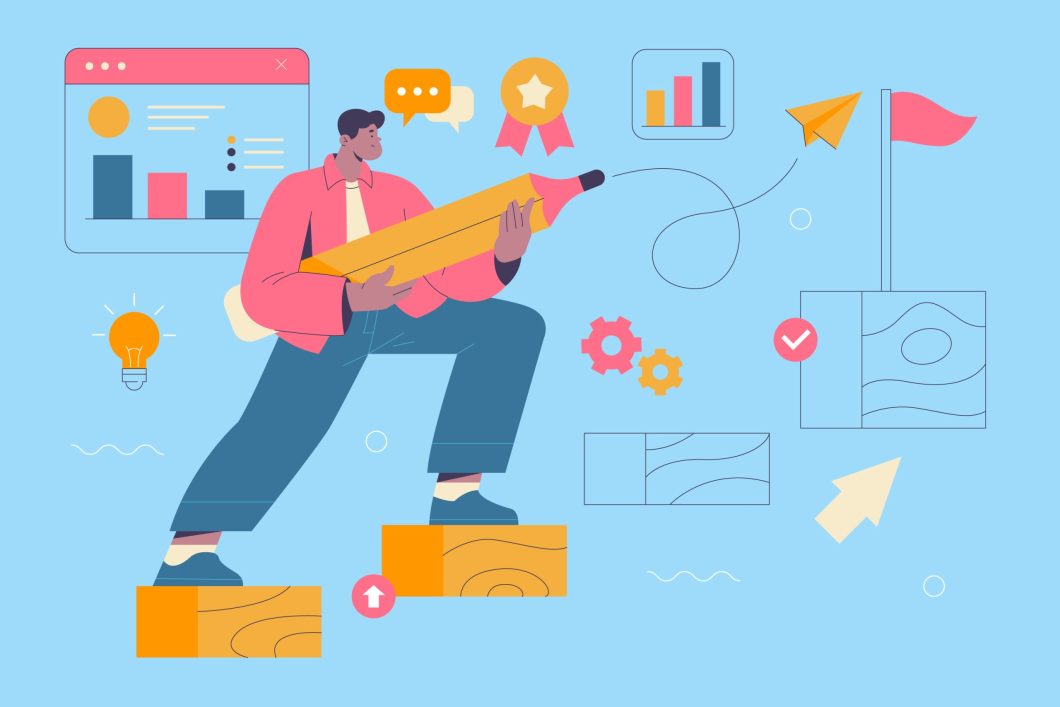
Effective business planning involves understanding where your gaps are and identifying the support that will help you grow. These gaps could be in marketing, financial management, operations, digital tools, personal capacity, or a combination of any/ all of these. It is also essential to set realistic goals, assess your current resources, and establish the systems that will propel your creative business forward. Those who take the time to reflect, prepare, and upskill today will be far better positioned to seize opportunities in 2026.
Understanding Your Support Needs
The first step in planning for 2026 is taking stock of your business’s current strengths and weaknesses. Many creatives excel at their craft but find the operational side of running a business (such as pricing, contracts, and marketing) more challenging. These essential tasks often take a backseat to client work. By identifying the areas where support is needed, you can proactively seek out tools, training, or collaborations to close those gaps and strengthen your business.
For example, if marketing feels overwhelming, you might benefit from workshops on social media strategy or basic brand positioning. If managing projects or finances is a challenge, digital tools, templates, or mentorship in those areas can save time and reduce stress. Planning allows you to allocate resources more effectively, reduce inefficiencies, and focus on activities that drive growth rather than just survival.
The Role of Skills Development
Certain skills are becoming increasingly critical for professionals in the creative industries. A recent report from the Creative Skills Policy and Evidence Centre highlights how AI and automation tools are reshaping workflows, making it essential for creatives to learn how to leverage these technologies without losing their unique voice. Equally important are digital marketing and audience engagement skills, as audience behavior continues to evolve. Platforms and trends that are effective today may shift rapidly, so creatives who commit to continuous learning and skill development will maintain a competitive advantage.
Upskilling does not have to be overwhelming. Small, consistent investments, such as attending workshops, online courses, or peer mentoring, can have a significant impact on business growth. These learning opportunities can empower creatives to experiment with new approaches and test ideas in a low-risk environment.
Over the past year, Creative Works members have benefited from several free business support sessions and practical classes covering topics such as marketing, social media, and the use of emerging AI technologies. The sessions highlighted how identifying gaps and building key skills can transform your business, emphasising that early preparation and the right skill investment are essential for staying competitive.
Practical Planning for 2026
After identifying gaps in your skills or resources and exploring potential sources of support and career development opportunities, the next step is setting measurable goals. Whether it’s launching a new product line, expanding into a new platform, or increasing client revenue by a specific percentage, clear goals are a crucial part of your strategy, enabling you to track progress and stay accountable.
Strategic planning also involves preparing for contingencies. Unexpected changes in client demand, technology, or funding can occur, so building flexibility into your plan is essential. A well-thought-out strategy allows you to pivot quickly without losing momentum (or compromising quality).
5 Simple Steps to prepare for the year ahead:
- Audit your current skills and resources: List areas where you feel less confident or need external help.
- Identify learning opportunities: Workshops, online courses, and peer mentoring can address skill gaps (keep an eye out for Creative Works business support workshops).
- Map potential collaborators or mentors: Identify individuals or groups that can provide guidance or support.
- Set measurable goals: Define clear objectives for growth, revenue, or client engagement for 2026.
- Review regularly: Check progress quarterly (timetable this) and adjust plans as needed to stay on track.
By following these steps, you create a framework that ensures deliberate, strategic growth rather than reactive, ad-hoc problem-solving.
 Creating a Sustainable Strategy
Your success in 2026 will depend on how effectively you use technology and AI (without losing your unique voice). With AI-generated content on the rise, staying authentic will enable you to build trust and differentiate your brand from the competition.
Progress in the year ahead will also rely on maintaining consistent marketing habits, continually developing your skills, and building stable revenue streams. Knowing how to collaborate, leverage support networks, stay connected to industry trends, and embrace sustainable, inclusive, and ethical practices will also give you a real advantage.
Whether you are a freelancer, run a small business, or manage a micro-studio, planning is not just about survival; it is also about identifying opportunities and creating a sustainable, future-ready creative practice. Taking these steps now will help make 2026 a year of growth, resilience, and genuine creative success.