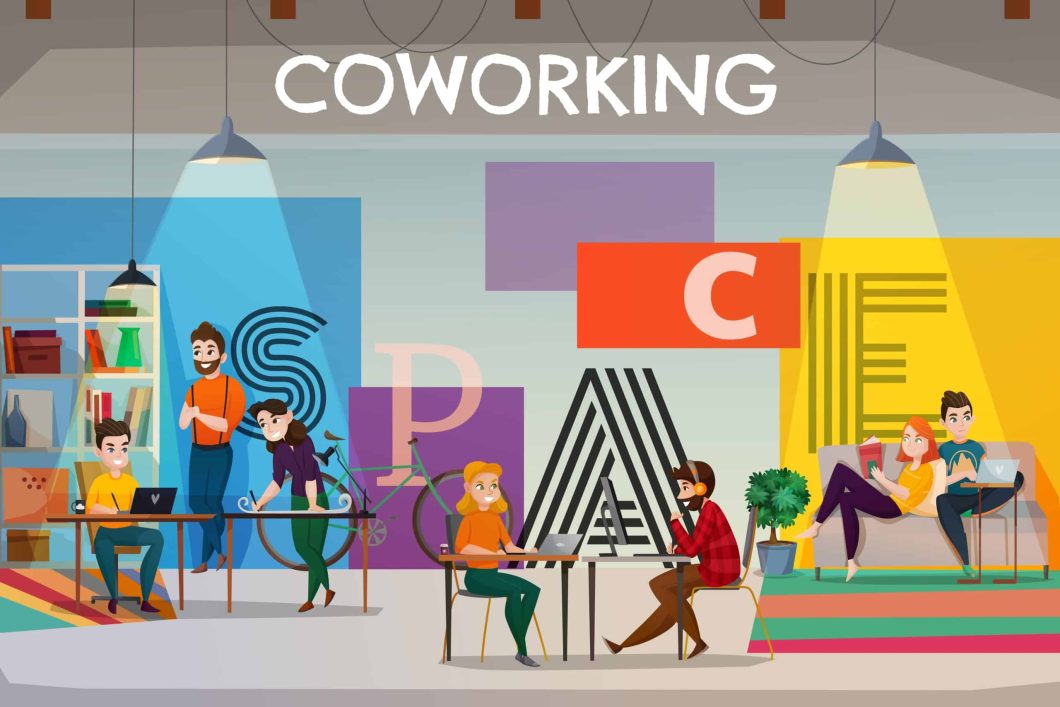
In 2025, London’s coworking scene is a mature, mainstream market serving businesses of all sizes. No longer a niche for freelancers and startups alone, shared workspaces are now a core part of London’s real estate landscape, and London has cemented its place as a global leader in the flexible workspace sector.
The expanding London coworking market now offers more choice for freelancers, independent creatives, tech start-ups, professional firms, and larger enterprises. Today, it is easier than ever to find well-located, flexible, serviced workspaces that align with a wide range of needs and values.
“The beauty of flex is that no one size fits all – there are coworking options for every type of company and culture. Coworking spaces have massively evolved since they made an appearance in London and the world’s other leading business locations thirty years ago.”
Michael Glynn, UK Head of Flexible Solutions
The appeal of any coworking space lies in how it combines convenience (e.g., short-term leases and hot desks) with premium amenities such as natural lighting, ergonomic design, meeting rooms, 24/7 access, showers, nap pods, and other community‑focused extras. However, London’s most successful workspaces in 2025 are the ones that have remained clear about who they serve.
London’s Coworking Market has Diversified
In 2024, London accounted for around one-third of the UK’s shared workspaces (1,191 in total), and occupancy rates consistently remained above 80%. In 2025, London now has one of the widest ranges of coworking options in Europe, from boutique studios and converted warehouses to sleek, centrally-located premium spaces aimed at global firms. But beneath this variety, a few clear trends have also emerged.
Hybrid work is here to stay. Most teams now split their weeks between home and the office, reducing demand for large private spaces while increasing the need for flexible, well-maintained shared areas. Coworking operators that designed their spaces for adaptability from the outset (through layout, services, or membership models) have successfully managed market fluctuations.
Neighbourhood work hubs are thriving. Nobody wants a long commute if it is not necessary. People appreciate shorter travel times, and locally accessible coworking spaces are the preferred choice. Areas such as Walthamstow, Hackney, Deptford, and Tottenham have become coworking hotspots. These spaces often offer the most accessible, affordable, and comfortable work environments for people who live nearby.
Community now matters more than perks. Free drinks, flashy décor, and themed meeting rooms do not hold the same appeal they did pre-2020. In 2025, coworkers seek workspaces that support personal and professional development, collaboration, and productivity. Furthermore, they want to feel a sense of community when they walk through the doors.
What Today’s Creative Professionals Require from Coworking Spaces
Research indicates that creative professionals increasingly value coworking spaces that combine community, flexibility, thoughtfully designed surroundings, and affordability.
Community and Collaboration
Coworking spaces that bring together diverse populations with shared professional values can significantly enhance individual creativity. Informal interactions, spontaneous conversations, knowledge sharing, and cross-industry collaboration foster innovation. Such communities are consistently recognized as a key asset for creatives in shared environments.
Psychological Safety and Wellbeing
Users of coworking spaces often report improved work-life balance, reduced isolation, and enhanced wellbeing. Spaces that prioritise psychological safety, where members feel free to take risks and share ideas without judgment, can further boost creative output.
Flexibility and Accessibility
For creative freelancers, micro-entrepreneurs, and small businesses, coworking provides cost-effective access to professional infrastructure without long-term leases. Thoughtfully designed spaces that combine private work areas with shared communal zones support both focused individual work and collaborative, community-driven creativity.
 Where Creative Works Fits within London’s Coworking Landscape
Unlike many coworking operators, Creative Works is independently run and not venture-backed. As part of Big Creative Education, we provide training and opportunities that help develop the next generation of creative talent.
Creative Works is part of the Big Creative Village and has strong ties to East 17’s creative community, providing a distinct advantage. Located within the Blackhorse Road Creative Enterprise Zone and linked to the East 17 Art Trail, the space encourages frequent and meaningful collaboration. Many members are familiar with one another through these creative networks.
Where city-centre coworking spaces can feel transient and impersonal, Creative Works offers consistency and community. Members are part of a recognised, stable network that values local creative connections. This stability provides freelancers and small teams with a dependable base while maintaining flexibility in how they work. The charming 1930s Art Deco building in which we are housed also reflects the area’s history and character, reinforcing a sense of belonging for our members.
As London’s coworking landscape becomes increasingly polarised (corporate models on the one hand and temporary, informal pop-ups on the other), Creative Works occupies a different position. We combine the reliability of an established operator with the flexibility and authenticity of an independent workspace. Our long-standing local relationships and a distinctive, community-focused approach to coworking will continue to support our growth.
Looking Ahead
London’s coworking sector is set for continued growth. Analysts have also forecast that flexible offices could comprise up to 20 % of London’s total office market by 2030.
Hybrid work models, landlords converting traditional offices, and demand for high-quality, amenity-rich spaces are driving London’s coworking market growth. For creatives, freelancers, and small and medium businesses (SMEs), this will mean more access to professional infrastructure without long-term commitments.
London’s coworking landscape has finally moved beyond recovery (after the pandemic) and reached a stage of sustained maturity, establishing itself as a permanent feature of the city’s office market.