
Across the UK, many of the most distinctive coworking spaces are now based within restored factories, mills, former banks, abandoned churches, and other historic industrial buildings that were once destined for demolition. Rather than replacing these sites with characterless office developments, operators are giving them a new commercial purpose while preserving the architecture and character that define local areas.
This approach also reflects a wider focus on sustainability and regeneration. Reusing existing buildings reduces waste, preserves local identity, and brings long-empty sites back into daily use. In many cases, coworking communities are playing an important role in keeping historic neighbourhoods economically active while ensuring their architectural heritage remains intact.
A New Purpose for Gnome House
Many coworking operators, particularly those rooted in their local area, are recognising the value of restoring legacy buildings and adapting them for modern business use. The result is a working environment with history, character, and a strong sense of place (qualities often absent from newly built offices).
Blackhorse Lane in Walthamstow still carries clear traces of East London’s industrial past. Once home to makers, engineers, printers, and manufacturers, it retains a sense of that earlier activity. Today, that legacy is reflected in a growing number of workspaces occupying historic buildings across the area.
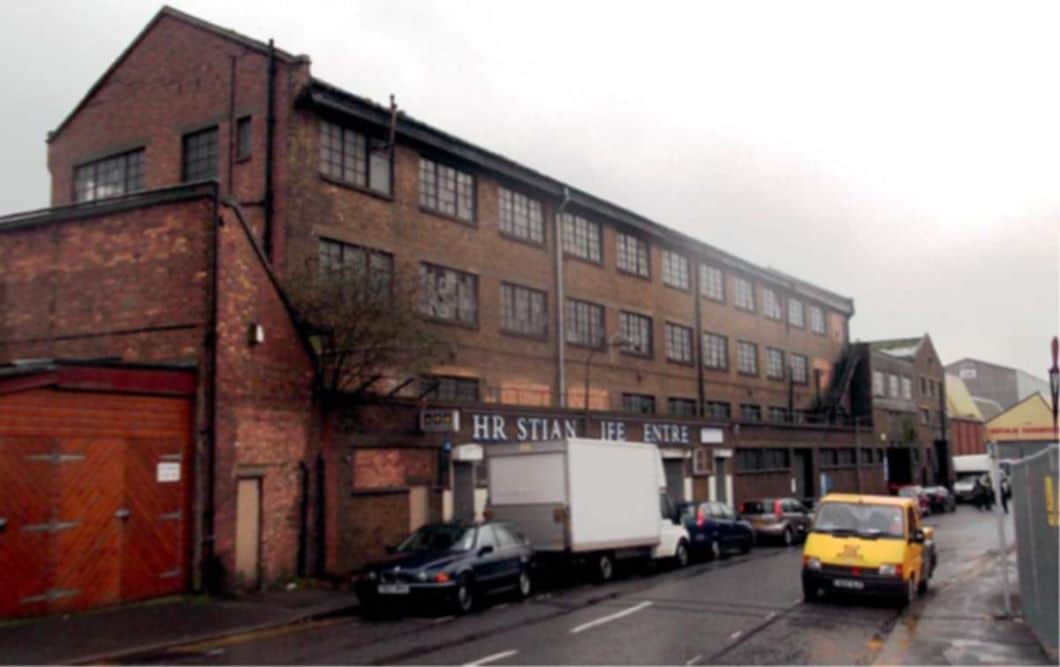
Creative Works perfectly illustrates this approach. Set within a restored Art Deco building, it reflects the industrial heritage of Blackhorse Lane while supporting a community of freelancers, startups, and creative businesses. The building shows how older structures can remain commercially relevant without losing their architectural identity or connection to place.
It is also housed within Gnome House, named after the Gnome engines once manufactured on site for fighter aircraft during the First World War. Located on one of East London’s most historically significant industrial routes, the building remains closely connected to the area’s manufacturing and engineering past, while also supporting a new generation of independent businesses and creative work.
From Britain’s Industrial Past to its Creative Future
The development of creative industry hubs and coworking spaces rooted in local communities is happening across the country. In London, Makerversity at Somerset House is based within the Somerset House complex, a world-famous neoclassical building. It provides workspace for prototype makers, combining 18th-century architecture with modern equipment such as 3D printers and laser cutters. The result is a setting where historic grandeur sits alongside advanced technology, offering designers and inventors a workspace in one of the capital’s most recognisable buildings. Then there is Mortimer House in Fitzrovia, a wellness-focused coworking space within a majestic seven-storey Art Deco block where architects carefully stripped back decades of corporate plaster to reveal the original 1930s marble mosaics and terracotta ceilings.
Outside the capital, in Wakefield, Tileyard North has transformed the historic Rutland Mills complex into a thriving creative campus, complete with recording studios and workspaces for artists and entrepreneurs. The original textile mill architecture remains central to its identity, preserving Yorkshire’s industrial heritage while supporting a new generation of makers. In Sheffield, Work Station is located within Kenning House, a striking 1930s Art Deco former luxury car showroom. It now serves as a base for the city’s independent film, design, and creative sectors.
In Birmingham, The Custard Factory has reimagined the former Birds’ Custard production site as one of the UK’s most well-known creative business districts. What was once a major manufacturing site now hosts digital companies, designers, independent retailers, and cultural events. While in Manchester, Blackfriars House is a restored 1923 stone institutional building that has undergone significant refurbishment. It now offers modern workspaces alongside facilities such as a podcast studio and a 1920s-inspired library that reflects elements of its original architectural character.
These spaces succeed because there is a growing demand for authenticity, with people seeking environments that have character, meaning, and a clear local identity. Historic buildings are naturally inclined to provide these elements.
How Members Contribute to Preserving Local Heritage
In many cases, the most sustainable building is the one that already exists, which helps explain the environmental case for the rise of heritage coworking spaces. Restoring and reusing existing buildings reduces the waste, demolition, and carbon impact associated with large-scale redevelopment.
As flexible working continues to reshape Britain’s cities, spaces such as Creative Works demonstrate that progress and preservation can work together. Membership in these spaces supports the upkeep of historic buildings and helps keep older neighbourhoods active and economically viable.
Choosing a workspace like this is therefore more than a practical decision. It also contributes to the continued use and maintenance of buildings with local significance, while supporting independent business communities.
Working in a building with industrial or architectural history also changes the experience of work itself. It creates a clearer link between past and present, which is often missing in standard corporate offices. These spaces feel more grounded because they carry the traces of earlier uses and local activity.
Preserving local history does not always require museums or a blue plaque on the wall. In many cases, it is reflected in how and where buildings are used today.