
Each year, International Women’s Day highlights the importance of female representation in business. Visibility is indeed essential, but without the infrastructure (networks, resources, and supportive environments) that underpin entrepreneurship and enable women to start, grow, and sustain successful companies, representation alone cannot translate into lasting progress.
Society can no longer ignore the economic case for female entrepreneurship. Research shows that achieving gender parity in business creation across Europe could generate up to €250 billion in additional economic growth by 2040; however, women currently start only about one-third of all new businesses.
Closing that gap requires more spaces where female entrepreneurs have the resources, support, and opportunities to connect, collaborate, and grow their businesses. Coworking spaces are increasingly stepping into that role.
Making Entrepreneurship Accessible from Day One
For many female entrepreneurs, coworking spaces provide daily access to peers, collaborators, and mentors (invaluable forms of connection and support that can be challenging to find when working alone).
The culture within a coworking space matters as much as the availability of resources and physical infrastructure required for business startups. The early stages of building a company can feel lonely, especially when traditional startup networks are challenging to access. Community-driven coworking spaces can help change that dynamic by bringing founders together in non-hierarchical shared environments where collaboration (rather than competition) is encouraged and peer-to-peer learning is integral to everyday work life.
Observing other women build businesses in a coworking space makes entrepreneurship feel achievable and helps founders gain the recognition that turns early-stage ideas into confident, credible ventures. When women see other women launching companies, leading projects, and sharing expertise, entrepreneurship feels more accessible. In contrast, environments that replicate the old “boys’ club” dynamic can unintentionally reinforce barriers.
Supportive coworking communities can help by encouraging intergenerational mentorship and creating flexible working environments that reflect the realities of modern life. For many founders—particularly those balancing caring responsibilities or portfolio careers—this flexibility is not just convenient, it is essential. Another way in which coworking environments can make entrepreneurship more accessible is by enabling businesses to scale at their own pace. Without the cost and commitment of long office leases, founders can focus their resources on developing their products, services, and teams.
Coworking as Micro‑Ecosystems for Women Founders
Behind most successful entrepreneurs lies a broader ecosystem of mentors, collaborators, investors, and team members. Coworking spaces are part of this wider ecosystem, offering practical environments for female business founders, where ideas can develop into sustainable ventures.
These spaces bring many essential elements together under one roof: mentors host workshops, investors attend events, and freelancers or fellow founders often become collaborators or early team members. Informal mentorship can happen over coffee in communal areas just as often as in formal sessions, creating everyday opportunities for growth and connection.
Coworking spaces that actively promote representation and inclusivity can help connect women to mentors, peers, and potential collaborators, provide access to learning opportunities and industry networks, and create a supportive environment for founders to gain confidence, build businesses, and scale successfully.
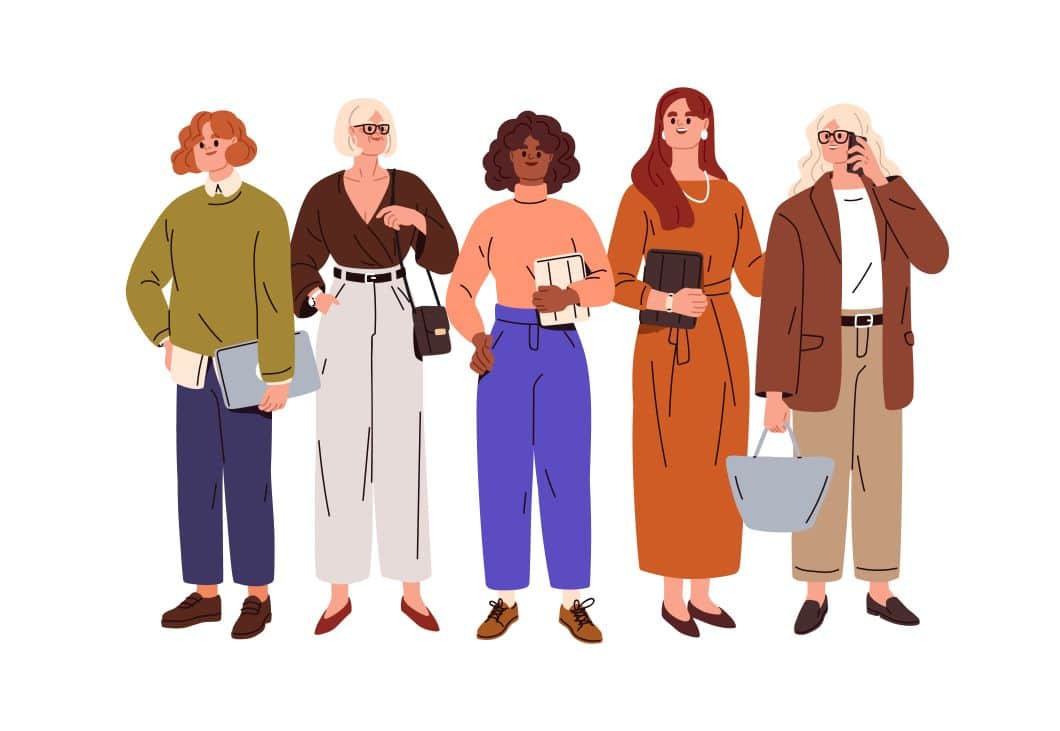
In Waltham Forest, conversations about women in business are already unfolding through community initiatives and local events. As the borough marks International Women’s Day, venues such as the Soho Theatre Walthamstow will be celebrating the achievements of women.
Local female leadership further strengthens this environment: prominent figures such as MP Stella Creasy, who curated the upcoming Walthamstow event, have long championed civic participation and the importance of visible female representation, helping create spaces where women founders can thrive.
Alongside these politically-backed initiatives, local women-led businesses and creative ventures are transforming Waltham Forest’s high street. Notably, Francis Road is believed to have one of the highest concentrations of women-owned businesses in London.
From One Day to Long-Term Change
While events and festivals celebrate achievements, real and lasting progress happens in the everyday spaces where women work, collaborate, and build their careers. Panels and discussions can spark ideas during International Women’s Day celebrations; however, those ideas are often developed later—during quieter periods of the day, collaborative brainstorming sessions, or informal conversations between founders.
Coworking spaces can provide the infrastructure for that longer-term process. They create environments where relationships develop, businesses grow, and support networks strengthen over time. In that sense, celebrating women in coworking spaces is not simply about marking a day on the calendar. It’s about acknowledging female entrepreneurs launching businesses, professionals reentering the workforce after caring responsibilities, and the creatives bringing new ventures to life.
Real progress is not about symbolic gestures; it’s built into the structures that support women every day. The shared workspaces where entrepreneurs collaborate can be just as crucial to their success as the public stages where their achievements are celebrated.