
When we talk about coworking, the concept of community is usually near the top of the list of benefits. But being surrounded by people is not the same as being connected to them. A successful coworking community depends on something less visible: trust.
Trust is what makes people feel comfortable asking another member for advice, recommending a contact, sharing an idea, or admitting they don’t know something. It turns a group of people who happen to work in the same place into a network that can exchange knowledge and opportunities and provide support to one another.
That matters because the value of coworking lies not in simply having somewhere to work; it is having access to people, expertise, and perspectives you would not otherwise encounter. Those connections may begin informally, but their value grows through repeated interactions and the trust that develops between people over time.
When Trust Becomes a Business Asset
Trust can sound like a soft or intangible concept, but it can have very practical (and positive) consequences.
For instance, if you are looking for a photographer for a project, you could spend an hour searching online, comparing portfolios and reviews; or you could ask another member who they have worked with and whether they’d recommend them.
The second route is not necessarily better because the photographer is more talented. It’s better because someone you trust has reduced the uncertainty involved in choosing them.
The same applies to finding an accountant, designer, developer, printer, venue, or potential collaborator. A trusted recommendation can save time, reduce risk and open a door that might otherwise have remained closed.
This is one of the less obvious forms of value in a coworking community: social capital. The relationships people build can open access to knowledge, contacts, and opportunities that extend beyond their existing professional networks.
Community Creates Connections. Trust Makes Them Valuable
A busy events programme can introduce people to one another; communal areas can create opportunities for conversation; and workshops can bring members together around a common interest. However, people can attend the same event for six months (or sometimes longer) without ever feeling comfortable asking one another for help. This is because these experiencesalone do not guarantee that meaningful relationships or a genuine sense of community develops.
Trust develops differently. It tends to be built through repeated, consistent experiences. Over time, these interactions create familiarity, which can make it easier to approach someone and eventually turn casual connections into professional relationships.
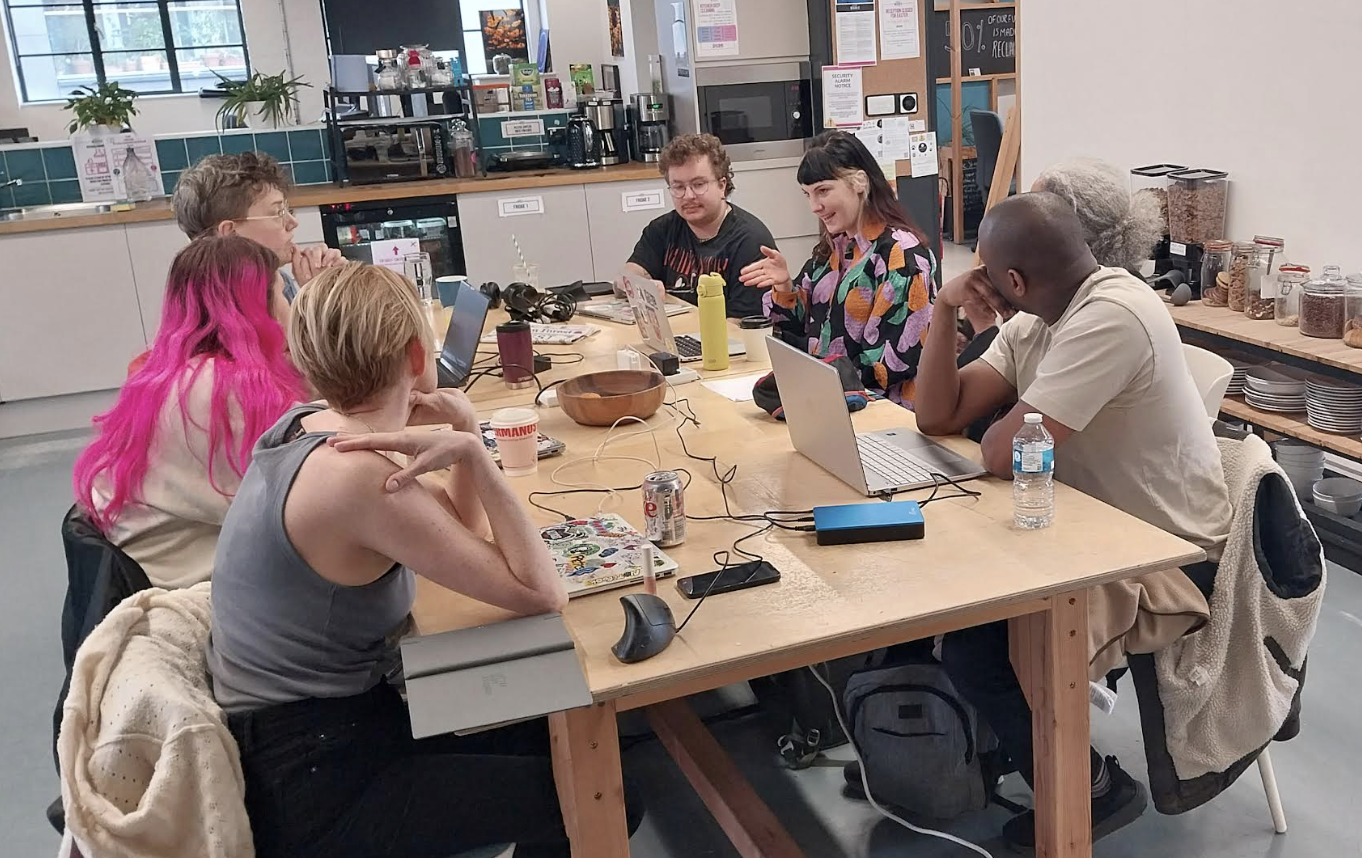
Trust Has to Work both Ways
You might introduce someone to a contact because you believe they could work well together, another member might share a supplier they have had a good experience with, and someone else might spend ten minutes explaining something they’ve spent years learning.
None of these actions requires a formal networking strategy. They are small contributions that gradually build a culture in which people are willing to help because they have seen others do the same.
If one member is always asking for introductions, advice, and recommendations without contributing anything themselves, the relationship quickly becomes transactional. The more sustainable model is one where knowledge and opportunities circulate.
A strong coworking community is not only about what members can gain from one another, but also what they can contribute in return. In other words, it depends on reciprocity.
The Enduring Value of In-Person Connection
Technology has made it easier than ever to find information, meet people, and work remotely. AI can answer questions, generate ideas, and increasingly perform tasks that once required specialist human input. This does not make physical communities less relevant; if anything, it makes genuine human connection more valuable.
AI can generate ten possible approaches to a problem, but it cannot replace the coworker who says, “I’ve tried that, and here’s what happened…”
And while a platform such as LinkedIn can connect you with thousands of professionals, it does not automatically create the trust required for someone to pick up the phone and recommend you to someone else.
This is where a physical coworking community has an advantage. Repeated, low-pressure encounters create opportunities for relationships that digital platforms struggle to replicate.
So, What Makes a Coworking Community Thrive?
It is not necessarily the number of members, the number of events, or how impressive the workspace looks. Those things can create opportunities for connection; however, the real value lies in what happens between the members.
Do members feel comfortable asking for help? Do they share knowledge? Do they make introductions? Do they trust recommendations from others? Do they feel that contributing to the community is worthwhile?
The most valuable coworking communities understand a simple distinction: community gets people together; trust gives those connections value. That is what can make a shared workspace, such as Creative Works, more than simply a place to work.