In 2026, AI has gone mainstream, with millions of us using it without a second thought. We ask it to draft emails, summarise documents, generate ideas, research subjects, and tackle the jobs we used to put off. However, as technology makes it easier than ever to work independently, the human side of work feels increasingly important.
For those of us working in shared spaces, that raises an interesting question: if AI can become our researcher, assistant, and occasional sounding board, where does that leave the people we share our space with?
AI is now a ‘Natural’ Part of Everyday Work
New research from Deloitte shows just how quickly things are changing. Its GenAI Workforce Survey, published this week and based on 25,000 UK workers, found that 63% knowingly use generative AI (technology that can create new content in response to a user’s instructions).
Almost a quarter (24%) of those surveyed revealed that they now use it every day for work. More surprisingly, UK workers are estimated to be spending £958 million of their own money each year on AI tools for work. Nearly a third of GenAI users also say they use the technology without their employers’ knowledge. Clearly, people are not waiting for the workplace to catch up; they are taking initiative and exploring these tools independently.
For freelancers, founders and those working in the creative industries, the appeal of GenAI is easy to understand. When you run your own business or work independently, a tool that can help with research, admin tasks, and drafting documents can be extremely useful. But for all its capabilities, AI cannot replace the value of working alongside other people.
The Value of Human Interaction
One benefit of working alongside other people is access to knowledge and experience beyond our own. A conversation with another coworking member might lead to supplier recommendations, feedback on an idea, or an introduction to someone with the skills your business needs.
Research suggests these informal interactions matter. A study conducted at MIT found that face-to-face communication was strongly associated with effective collaboration, and other studies show that physical proximity can improve access to opportunities for knowledge and ideas exchange.
This is particularly relevant in a coworking environment such as Creative Works, where members from different businesses and creative disciplines share the same space. You might be working independently, but you also have access to a wider network of people with different skills, backgrounds, and professional contacts.
AI can provide information, generate ideas, and offer suggestions remarkably quickly. What it cannot reproduce in quite the same way is the knowledge that comes from someone’s personal experience, such as a business owner sharing what worked when they faced a similar problem that you are confronting, or another member introducing you to a potential collaborator.
These exchanges may be informal, but they have practical value. As AI becomes a more established part of our working lives, access to other people’s experience, judgement and networks could become an increasingly important part of what a shared workplace offers.
Connection at Creative Works
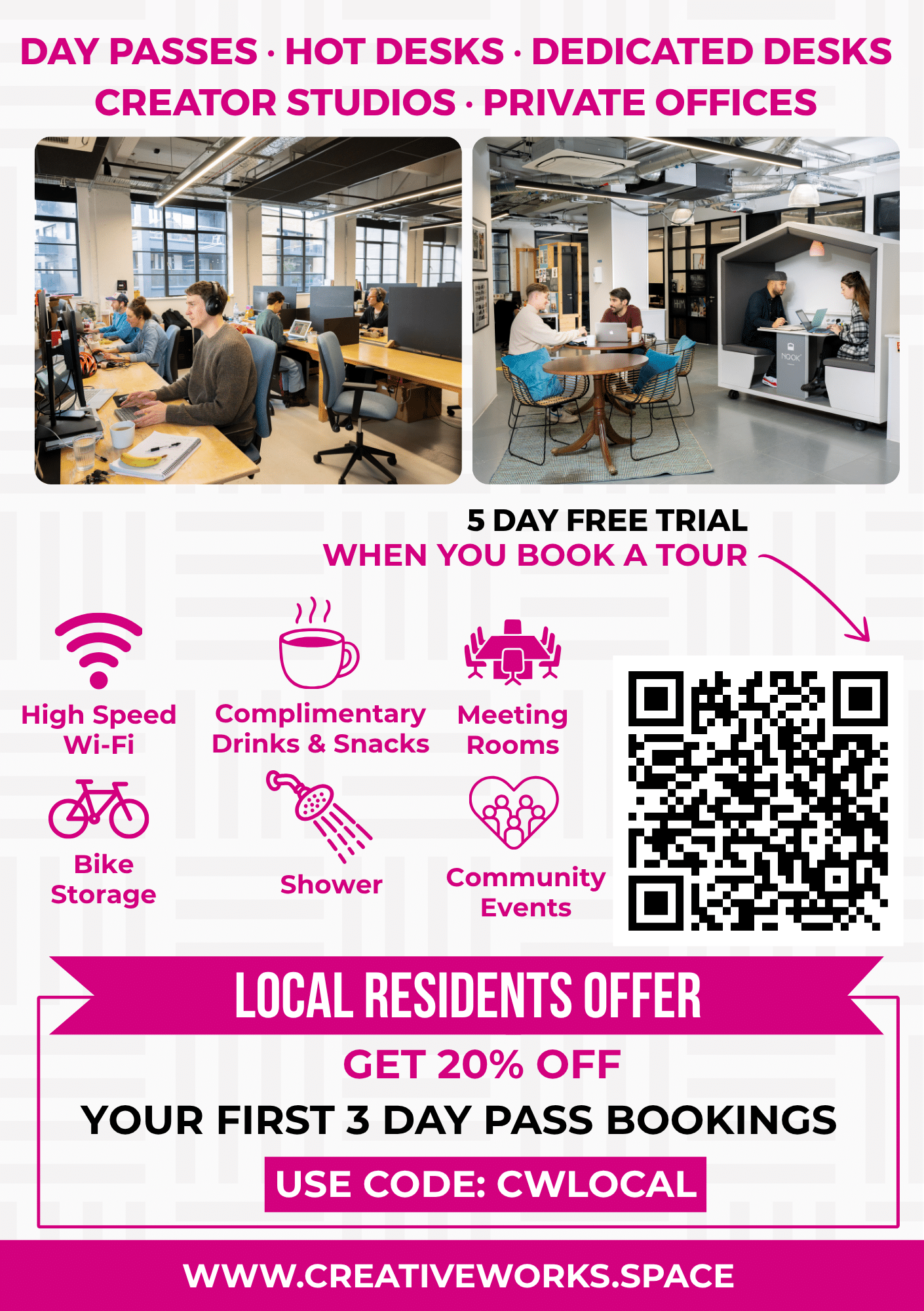
Creative Works was created around the idea that a workspace should offer more than simply a place to plug in your laptop. As a Community Interest Company, its purpose includes supporting its members and creating opportunities for people and businesses to connect, develop and collaborate.
That approach also reflects the wider creative community in which Creative Works operates. Blackhorse Lane is an established Creative Enterprise Zone, bringing together artists, designers, makers and creative businesses from across the borough. In January 2026, the zone was reaccredited by the Mayor of London, securing continued funding through to 2028.
A shared workspace can offer members something they cannot find when working entirely alone: a network of people with different skills, knowledge, and professional connections. These interactions are not necessarily planned, but sharing a physical workspace makes them more likely.
As AI becomes more embedded in our working lives, this may become an increasingly important part of what coworking offers. Technology can make it easier to work independently, while spaces such as Creative Works provide opportunities to exchange ideas, build professional relationships, and remain connected to a wider working community.
Balancing AI Tools with Human Collaboration
None of this means we should resist AI. It can easily complete the repetitive work that fills our days and give freelancers, small businesses and creative teams access to capabilities that once demanded far more time or money.
Furthermore, the rise of AI does not appear to be diminishing the appeal of working alongside other people. Recent research from CBRE found that demand for flexible workspace increased across every UK region it tracks during the first half of 2026, while operator take-up in London reached its highest level since before the pandemic.
AI businesses themselves are contributing to that growth. CBRE reported a 20% increase in flexible workspace transactions from AI companies, suggesting that even businesses at the forefront of this technology continue to see value in bringing people together.
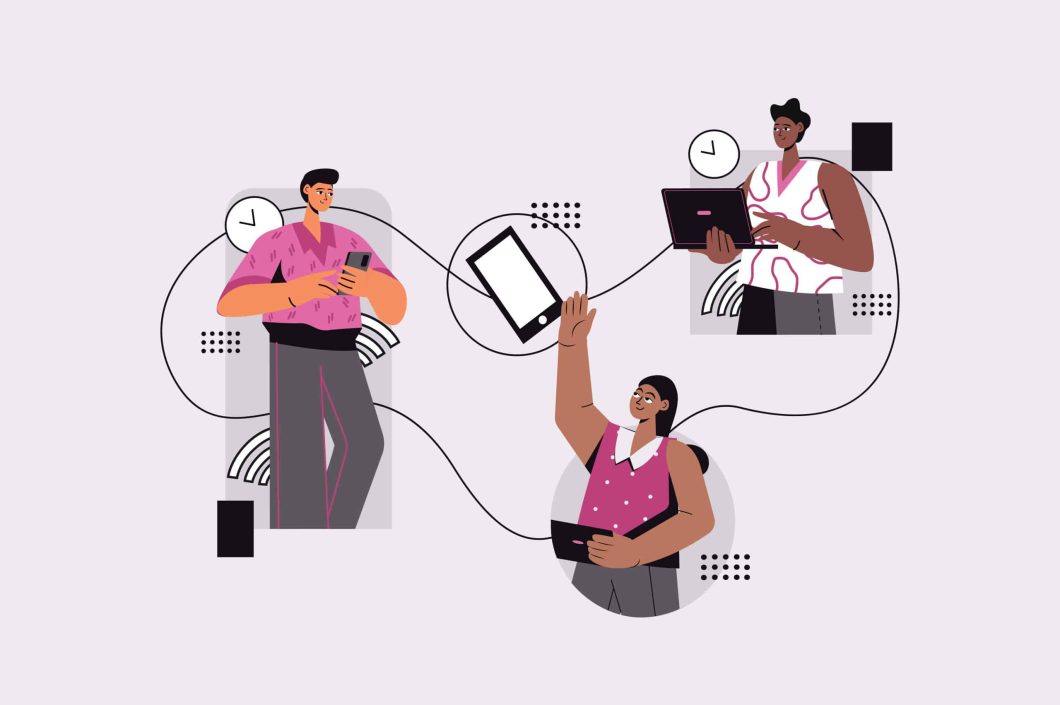
The future of work does not have to be a choice between technology and people. AI can help us work more independently, while shared workplaces give us access to something technology cannot replace: the people, knowledge, and experience around us.
So, the next time you turn to AI for an answer, it might be worth asking the person sitting nearby too. You may get a more interesting (and distinctly human) perspective.