For many creative entrepreneurs and freelancers, starting a business begins with an idea, talent, or passion. It is about building something of their own, doing work they love, and bringing their vision to life. However, running a business also brings responsibilities that may be less familiar or enjoyable, particularly when it comes to managing the finances.
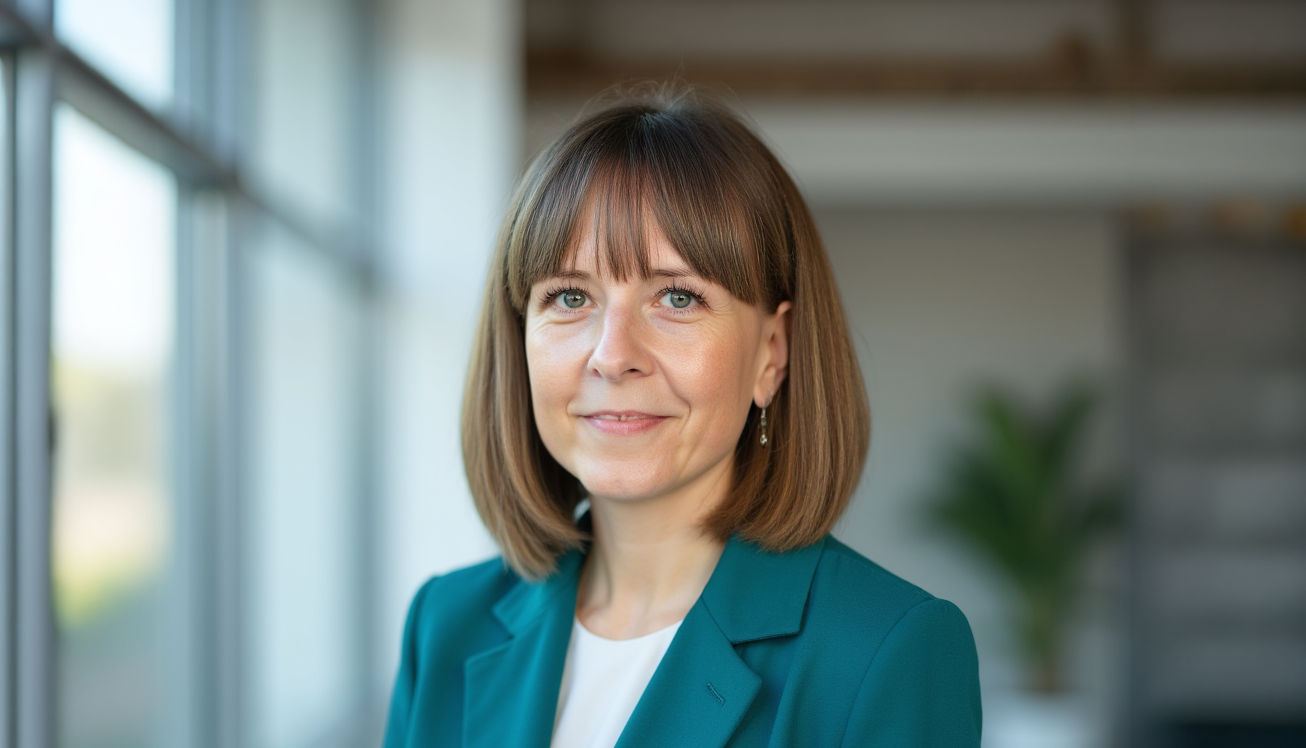
This is where Anna Romasko, founder of Grade A Accounting, can offer practical guidance and expertise. An “accountant by profession and a business advisor by choice,” she works primarily with marketing, advertising, and creative organisations, helping business owners understand the financial side of their operations.
Her approachable, supportive approach goes beyond traditional accountancy, working alongside clients to build their financial understanding and help them feel more in control of their businesses.
How Anna Found Her Niche in Finance
Anna is a fully qualified accountant and Certified Business Adviser, with more than 20 years of experience working with global businesses and local SMEs. However, her route into accountancy was not entirely conventional.
Her first role was in a marketing department, but the socially demanding atmosphere did not feel right for her. She subsequently gravitated toward the finance team, whose less social, more structured approach suited her far better. Anna then decided to study bookkeeping, taking her first steps towards a career in accountancy.
Over the following years, Anna gained experience across a range of sectors, including advertising, marketing, logistics, and accountancy. These varied roles provided valuable insight into how different organisations operate and the financial challenges they face.
Eventually, Anna decided to take her experience in a new direction by establishing Grade A Accounting. Running her own practice gave her greater independence and the opportunity to work more closely with clients, offering practical advice and a more personal approach to financial support. Anna has a forward-looking perspective, helping clients understand their finances, identify opportunities and make informed decisions about the future.
Getting to know her clients and building lasting relationships with them is now one of Anna’s favourite aspects of her work. She now realises that it was the culture of her first workplace, rather than the social interaction, that did not suit her.
Making Finance Less Overwhelming
Anna suggests that many creative individuals establish businesses driven primarily by passion, ideas, and enthusiasm for their craft, rather than with the intention of running a commercially structured operation. As a result, they may lack the financial planning, systems, and business management mindset needed to manage their finances effectively.
Research supports Anna’s observations that creative businesses face financial challenges: 30% lack the knowledge to make informed financial decisions, 27% are unsure where to turn for advice, and 41% lack the financial and management skills needed to grow their businesses.
In light of the research, we asked Anna to share her insights into some of the most common financial mistakes she sees creative entrepreneurs and small business owners make. She explains that one of the most common misconceptions is that strong sales and a busy workload reflect a profitable business, whereas, in reality, having a full order book does not necessarily mean a business is making money. To address this, Anna advises business owners to look beyond turnover, assess the profitability of projects individually, review their pricing, and set clear boundaries with clients.
Underpricing is an issue Anna regularly observes. Creative projects can easily exceed their original scope as clients request additional revisions or changes down the line. Without clear agreements about what is included in the fee, this extra work can consume valuable time and resources without generating additional income.
Creative businesses often experience fluctuating income due to project-based workloads and irregular payment schedules. Anna suggests setting aside money in separate ‘pots’ for different business expenses as a simple way to manage finances more effectively. Allocating funds for tax, VAT, operating costs, unexpected bills, and future investments helps small business owners monitor their available cash and prepare for upcoming expenses. It also helps prevent the common assumption that a healthy-looking bank balance means the business has money to spare.
Anna’s advice to anyone feeling overwhelmed by the financial side of their business is refreshingly straightforward: “Just start small.” Anna discourages clients from building complicated spreadsheets with dozens of tabs and instead suggests reviewing monthly income and expenses, creating a simple cash flow forecast, and asking their accountant questions.
Finally, if you do not have access to an accountant, there are plenty of organisations dedicated to supporting small businesses. Enterprise Nation, for example, offers a range of resources to help business owners improve their financial literacy. There are also numerous free webinars (including Anna’s, so if you missed the latest one, look out for future sessions), as well as downloadable invoice templates and other practical financial tools available online.
The Latest Budget: What It Means for Your Business
Anna’s accessible approach to finance was evident in her recent Autumn 2026 Budget webinar, where she explored specific changes and their potential implications for business owners and individuals.
Rather than explaining every Budget announcement, she focused on five areas she felt were particularly relevant, including minimum wage increases, the trading allowance, electric-car tax relief, electronic invoicing and changes affecting savings and rental income.
For creative agencies and other service-based businesses, the minimum wage increase was an important consideration. Anna highlighted how a 50p hourly increase could add £910 to the annual wage cost of a full-time employee working 35 hours a week, before additional National Insurance and pension contributions. For a business employing five people on minimum wage, the illustrative increase would be £4,550.
Her message was that businesses need to think about where those additional costs will come from. For instance, could rates be reviewed? Do project fees or retainers need adjusting? Is there a way to deliver work more efficiently?
She also challenged the discomfort many small-business owners feel about raising prices. Anna argues that larger providers regularly increase their prices, yet independent businesses seem to find it much harder to have that conversation with clients.
Anna also discussed the planned increase in the trading allowance from £1,000 to £3,000 from April 2027, which could be relevant to freelancers and people with separate side-hustle income. She also explained the planned switch to electronic invoicing, due to begin in April 2029, and encouraged VAT-registered businesses working with other businesses or government to consider their invoicing systems ahead of time.
Throughout the webinar, Anna’s message was clear: look beyond the media headlines and determine what matters to you and your business. Not every Budget measure will affect every business; therefore, it is important to identify the changes most relevant to you, understand their potential financial impact, and then take appropriate action.
Community, Connection and a Final Word of Advice
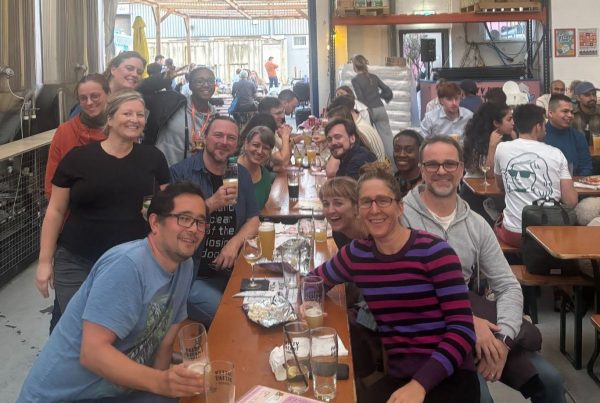
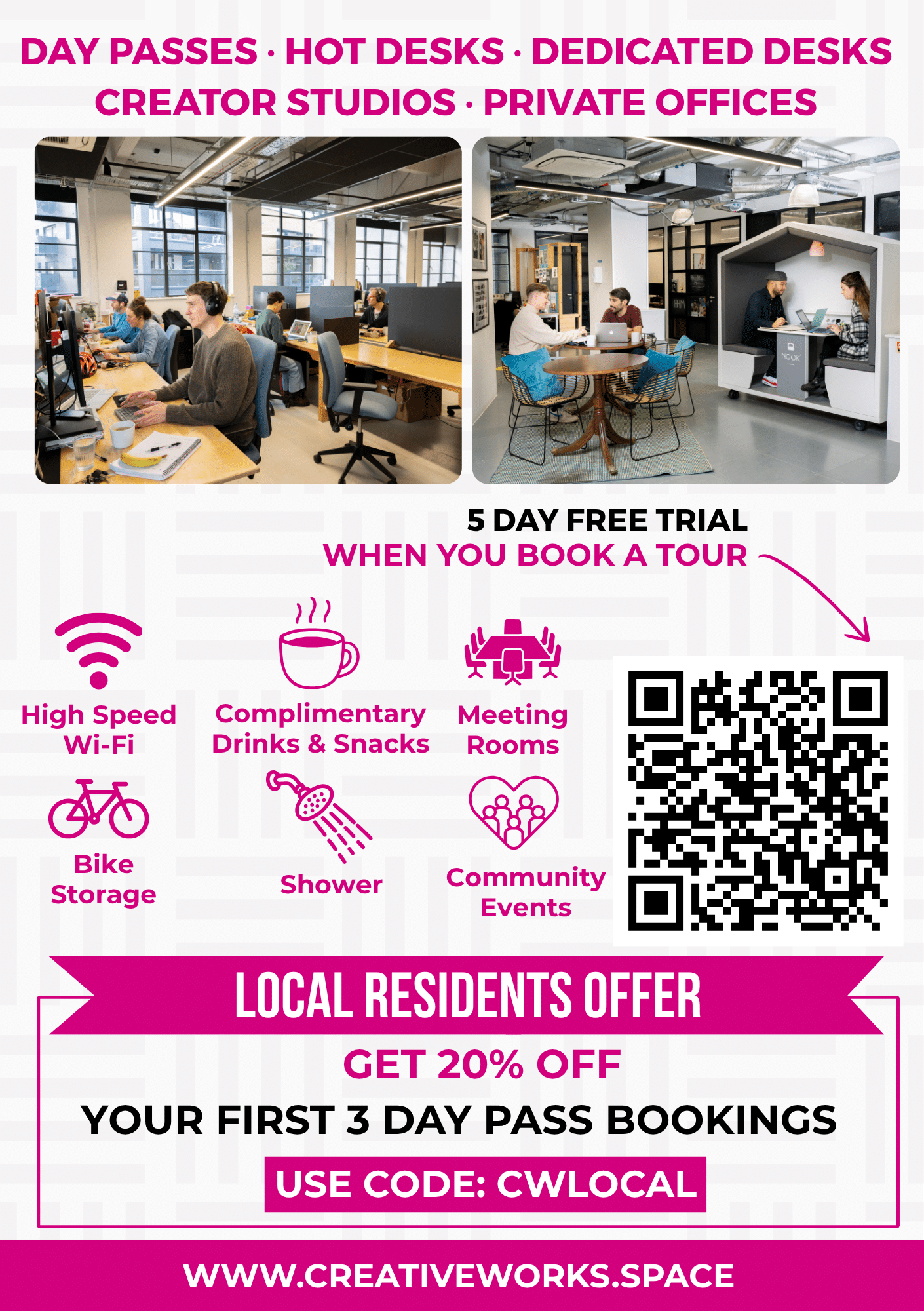
Anna’s involvement with Creative Works has become an important part of her professional life. She recently joined the coworking community for a change of environment, to meet new people, and to gain access to a professional space where she could work and meet clients. She particularly values the welcoming atmosphere and informal conversations. In fact, one such conversation with Elena helped initiate the idea for the Budget webinar.
For Anna, building genuine relationships is essential for business. Rather than relying on formal sales calls, she prefers to get to know people, understand their needs, and find meaningful ways to help. She has already connected with clients through the Creative Works community and hopes to develop further relationships as she becomes familiar with members. Family commitments and school pick-ups sometimes make it difficult for Anna to spend as much time at Creative Works as she would like, but she tries to visit at least once a week.
This emphasis on genuine connections and practical support also runs through Anna’s advice to creative business owners. Ultimately, she wants them to see financial information as a useful tool rather than something to fear. Her approach centres on three key principles: financial clarity, financial confidence and strategic control. This involves understanding the numbers, then using that knowledge to plan and make informed decisions about pricing, recruitment, investment and the future direction of their business.
Anna is keen to emphasise that you do not need to be an accountant to manage your business finances effectively. What matters is having a good enough understanding of the numbers to ask the right questions and make informed decisions.
When asked what advice she would offer freelancers and small business owners, Anna returns to a simple but important point: “Remember why you started in the first place.” Whether driven by a desire for independence, greater flexibility, or the opportunity to turn an idea into reality, reconnecting with those original ambitions can help business owners stay focused on what matters and build a business that is both financially sustainable and personally rewarding.