Productivity is no longer defined solely by high-speed Wi-Fi, state-of-the-art digital tools, or effective time management. Increasingly, workers and researchers alike are recognising that three interconnected factors (often overlooked in the past) form the foundation of individual productivity: how and where we work, how we sleep, and what we eat. Emerging research and workplace trends suggest that community-focused work environments, healthy sleep patterns, and balanced nutrition create a powerful productivity triangle, influencing not only performance but also creativity and overall wellbeing.
As flexible and remote working continue to expand, understanding how these elements interact is becoming increasingly important for supporting both personal wellbeing and professional success.
The Rise of Coworking and Its Impact on Wellbeing
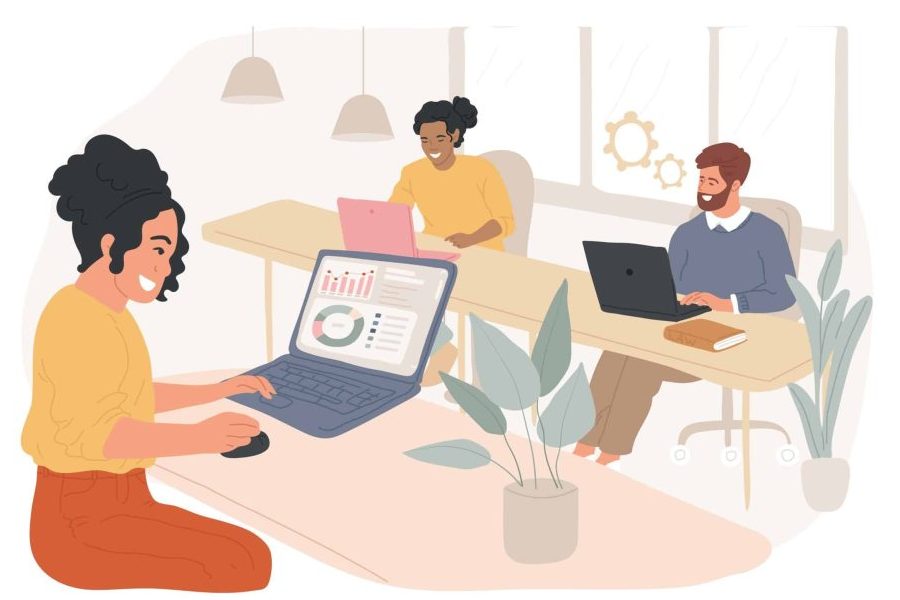
Coworking spaces have evolved into far more than shared offices. For many freelancers, entrepreneurs, and remote employees, these spaces provide something that working from home often cannot: structure, community, and a clear separation between professional and personal life. These elements play an important role not only in productivity but also in maintaining healthy daily routines.
Unlike home working environments, which can easily blur the boundaries between work and rest, coworking spaces naturally introduce rhythm into the day. Commuting to a dedicated workspace (with added physical benefits if you cycle or walk), maintaining defined working hours, and engaging with others throughout the day all help create consistent routines that support focus and efficiency.
These routines may also influence sleep patterns. Regular schedules and natural daylight (whether experienced during the commute or through well-designed workspace environments) help regulate circadian rhythms, the body’s internal clock controlling sleep and wake cycles. In this way, coworking environments can contribute indirectly to better sleep, which in turn supports cognitive performance, creativity, and overall wellbeing.
Why Sleep Is the Cornerstone of Productivity
Sleep is more than just downtime—it’s the cornerstone of creativity, focus, and overall wellbeing. This World Sleep Day (March 13, 2026), with the theme “Sleep Well, Live Better,” sleep experts around the globe remind us that getting good rest is not optional if you want to thrive, both at work and in life.
The conversation about sleep has even gone high-profile. Elon Musk famously claims he survives on just a few hours a night, while Melinda French Gates has called that kind of bragging “so dumb.” Her point is that if you want to be effective over the long haul, balancing work with proper rest is non-negotiable.
And the research backs her up. Sleep restores the brain, strengthens memory, and fuels the innovative thinking, focus, and creative problem-solving we need to get our work done. Studies show that well-rested individuals are 72% more likely to thrive across multiple areas of life, from job satisfaction to social connections, compared with just 46% of those who are chronically sleep-deprived.
So what practical lifestyle strategies can protect sleep health? Consistent routines, limiting screen time before bed, avoiding late-day caffeine, and using calming tools such as journaling or white noise can all help the body wind down. Experts stress that prioritizing sleep is not a luxury or indulgence—it is essential self-care.
Even where you work can help. Structured workplaces, including community-focused coworking spaces, can reinforce routines by providing clear start and end times, natural social interaction, and exposure to natural light. These routines and cues keep your internal clock on track, leading to better-quality sleep, more focus, and, ultimately, improved productivity.
Sleep might feel like an indulgence when deadlines loom, but in reality, it’s the foundation on which everything else depends.
Nutrition: Fuel for Focus
The week from 16th to 20th March is the UK’s National Nutrition and Hydration Week. This week has been held every March since 2012 to bring people together to create energy, focus, and fun, while highlighting and educating people about the value of food and drink in supporting health and wellbeing.
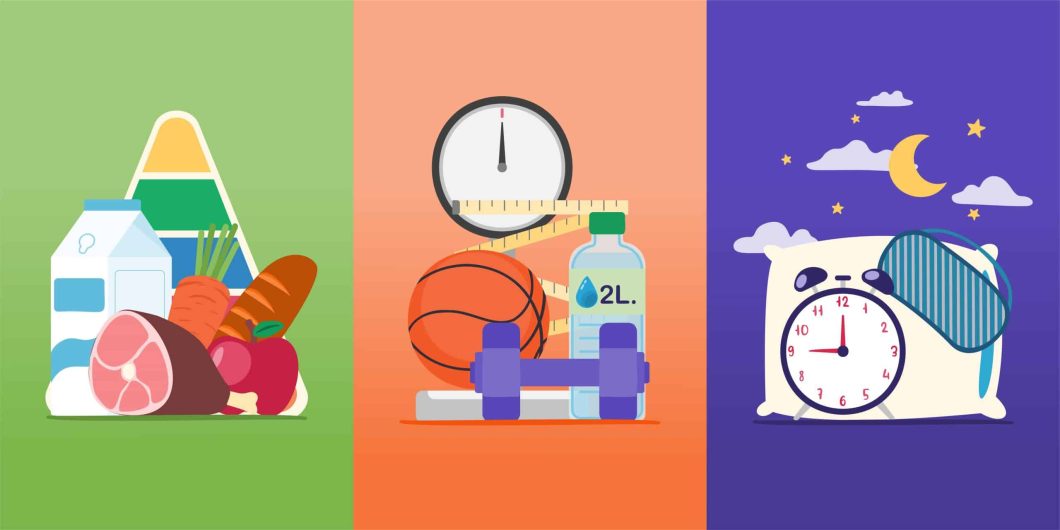
Nutrition plays a critical role in sustaining mental performance and emotional wellbeing throughout the workday. Skipping meals, relying on caffeine, or consuming high-sugar snacks can lead to energy crashes and reduced concentration; a balanced diet helps maintain stable energy levels. Meals that combine protein, fibre, healthy fats, and complex carbohydrates provide steady fuel for the brain if eaten throughout the workday.
Many coworking spaces are increasingly recognising this connection and many now offer:
- Healthy snack options
- Nearby cafés with nutritious meals
- Communal lunches that encourage mindful eating
These healthy nutritional habits can help professionals avoid the common remote-work pattern of irregular meals or working through lunch (sitting alone at a desk).
Sleep and nutrition influence each other in a continuous cycle: poor sleep can trigger cravings and disrupt hunger hormones, while poor dietary choices can interfere with sleep quality. Maintaining balanced meals and mindful eating throughout the day helps stabilize energy, reduce late-night snacking, and support restorative sleep.
How Small Habits Can Make a Big Difference
In coworking spaces, healthy work habits can naturally take root. Design choices, including access to daylight, quiet corners, or spaces to recharge, support both mental clarity and wellbeing, while social interaction can help prevent isolation and even burnout.
By thinking about productivity holistically, workers can see the connections between environment, rest, and nutrition as part of a single system and make small but meaningful adjustments, such as taking regular breaks, sharing meals mindfully, and maintaining consistent schedules. As these habits develop over time, they help professionals remain energized, focused, and resilient.
When environment, sleep, and nutrition align, work becomes not only more productive but also healthier and more sustainable in the long term. Ultimately, the question for modern work is no longer just where we work, but how our work environments support the fundamental human needs that allow us to do our best work.