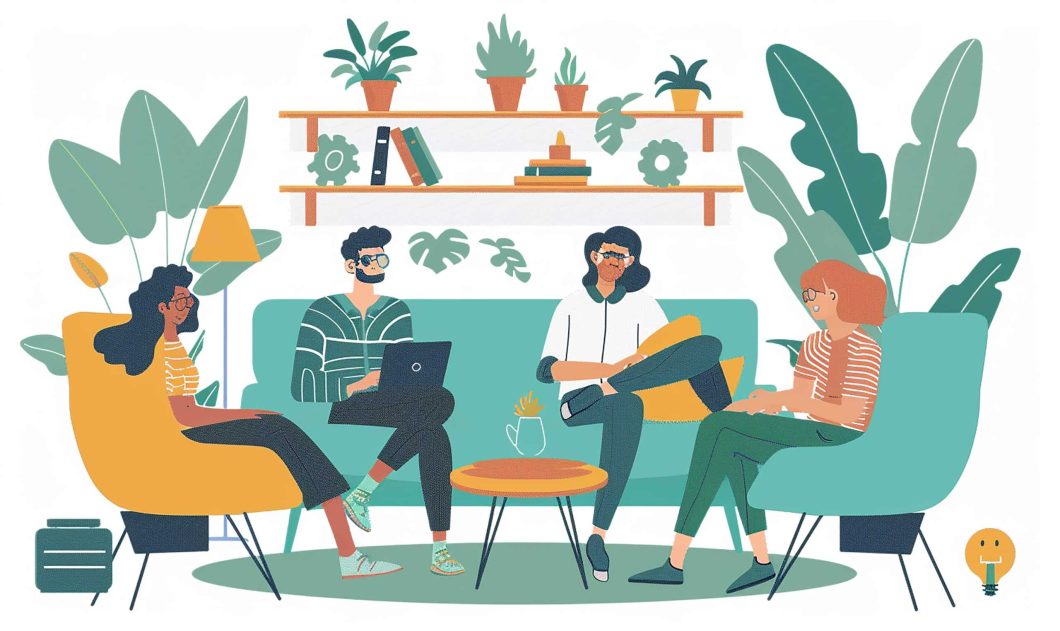
As the UK observes Mental Health Awareness Week, increasing attention is paid to how working environments support mental wellbeing. This year’s theme, Action, focuses on turning awareness into meaningful change by not only acknowledging mental health challenges but also creating healthier environments for people to work and live in.
That message resonates especially within the coworking and flexible workspace industry.
For years, coworking spaces competed on facilities, design, and convenience. High-spec amenities and stylish interiors helped attract freelancers, startups, and remote workers searching for alternatives to traditional offices. But increasingly, members are looking for something else: spaces that support focus, emotional wellbeing, and sustainable productivity.
Today’s professionals are more aware of how work can impact their mental health, and flexible workspaces are increasingly adapting their environments and services in response.
Burnout is Changing What People Want From a Workspace
Remote and hybrid work have brought greater freedom, but this working model has also blurred the boundaries between professional and personal life. For many workers, flexibility has gradually become constant availability, significantly increasing the risk of burnout. As understanding of the link between work demands and burnout grows, wellbeing is no longer seen just as an individual issue but also as a priority for those who structure and manage work and workplaces.
This year’s Mental Health Awareness Week reminds us that it is essential to take action before people reach crisis point. Reflecting this thinking, coworking space operators are increasingly focusing on both the physical design of their spaces and how those spaces function in practice to better support mental wellbeing, rather than simply responding to challenges after they arise. As a result, flexible workspace operators are no longer focused solely on designing inspiring places to work, but on creating environments that enable people to stay productive without becoming mentally depleted.
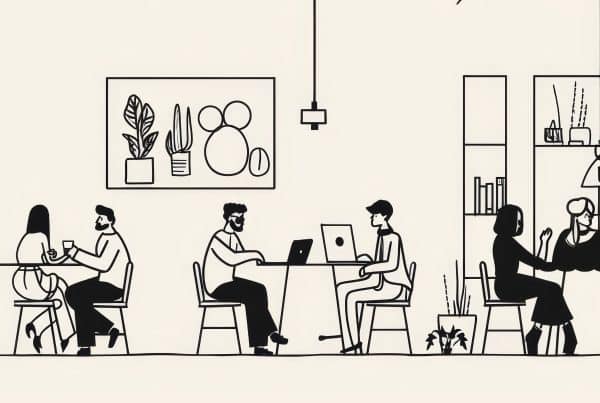
Coworking spaces are often more effective at supporting good mental health than traditional offices, largely due to greater flexibility, stronger community engagement, and increased autonomy. Unlike rigid, hierarchical office environments, they tend to offer more relaxed settings that can reduce stress and help prevent the isolation often associated with remote work through more intentional community engagement.
The Rise of Focus Culture
One of the clearest trends within flexible workspaces is the growing demand for environments that support focused work.
Many remote workers discovered that working from home can create its own challenges: household distractions, isolation, and difficulty separating work from everyday life. Coworking spaces are increasingly filling that gap by offering structure, accountability, and spaces intentionally designed for concentration.
Contemporary workplace culture has increasingly shifted from valuing time spent working toward valuing focused, high-quality output, reflecting growing evidence that excessive working hours often reduce productivity and increase burnout. In response, phone booths, silent working areas, library-style zones, and meeting-free sections are becoming more common across the coworking industry.
This reflects the rise of what many professionals now describe as focus culture. Rather than glorifying multitasking and constant responsiveness, workers are seeking conditions that allow for sustained attention and meaningful progress.
In many cases, the value of coworking is no longer just collaboration. It is the ability to think clearly in an environment built for focus.
Mental Health and Community are Closely Connected
In addition to burnout, the rise of remote work has highlighted another issue: loneliness.
The importance of connection and supportive communities in protecting wellbeing is increasingly recognised, particularly the quality of those connections. In response, flexible workspaces are placing greater emphasis on genuine community-building.
Members are becoming more selective about how they spend their social energy. Large, formal networking events are losing appeal, while smaller peer groups, founder circles, accountability sessions, and wellbeing-focused events are becoming more popular.
Successful coworking spaces now recognise that community does not require constant interaction. Members value the option to connect when they choose, without feeling socially drained or pressured to attend every single event and activity.
This balance between privacy and belonging is becoming one of the defining challenges — and opportunities — for the future of flexible workspaces.

A More Holistic Approach to Mental Health
Wellbeing in the workplace is becoming more deeply embedded in how work is structured and experienced. While benefits such as gym memberships, yoga sessions, and healthy snacks are still appreciated, it is increasingly clear that people are looking for a more holistic approach that supports how they feel and function throughout the working day.
Increasing attention is now placed on the everyday conditions of work itself, including workload pacing, cognitive load, and opportunities for recovery within the working environment.
In response, many flexible workspaces are introducing quieter environments, wellness programming, meditation areas, and hospitality-inspired design that prioritises reducing stress rather than adding to it.
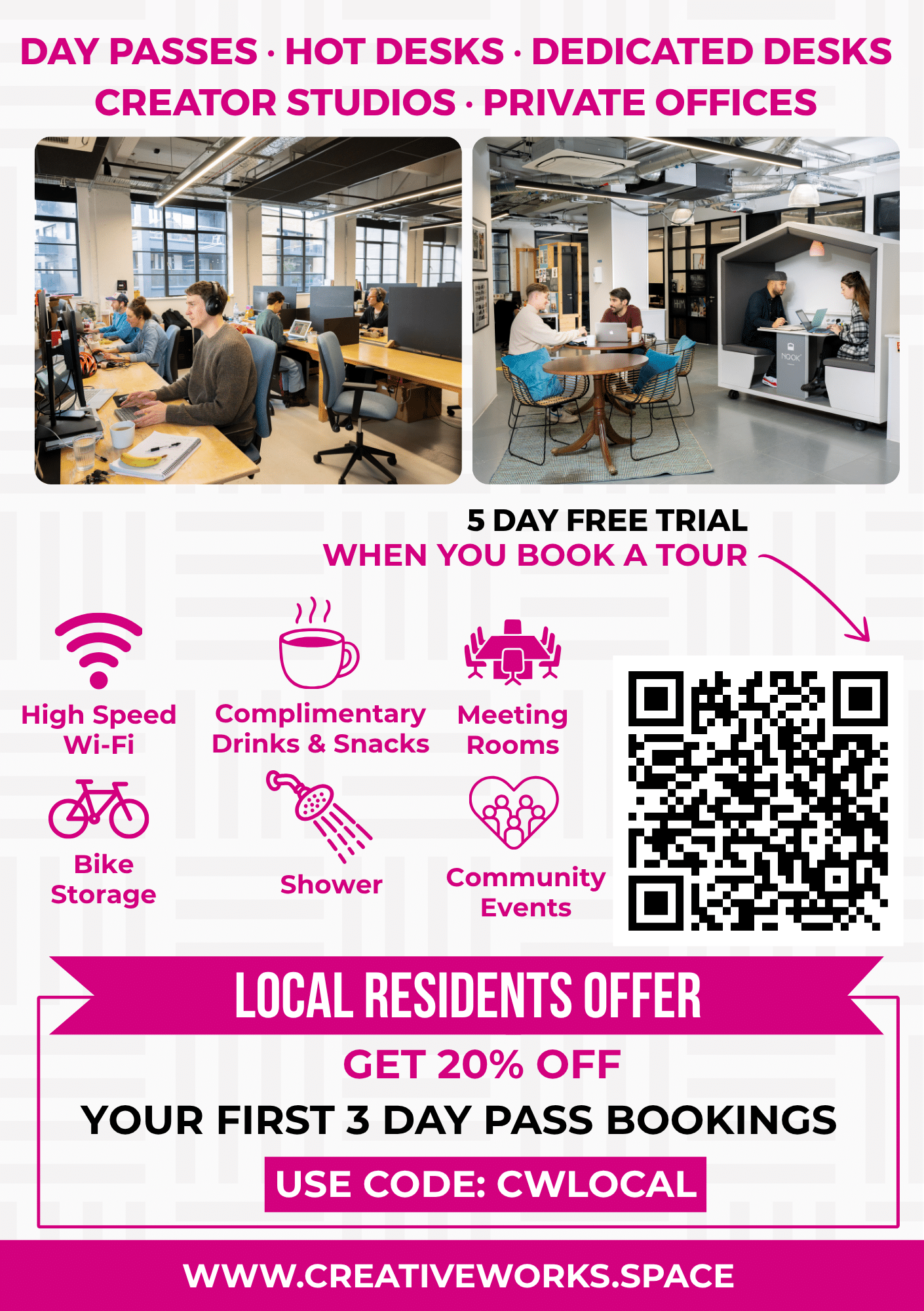
As hybrid work continues to evolve, coworking spaces are emerging as testing grounds for a healthier work culture where workplace design, flexibility, and community come together to support both productivity and wellbeing in a more connected and intentional way. Within this evolving landscape, Creative Works is proud to play an active role in reimagining how modern workspaces can better support the way people work, feel, and thrive every day.