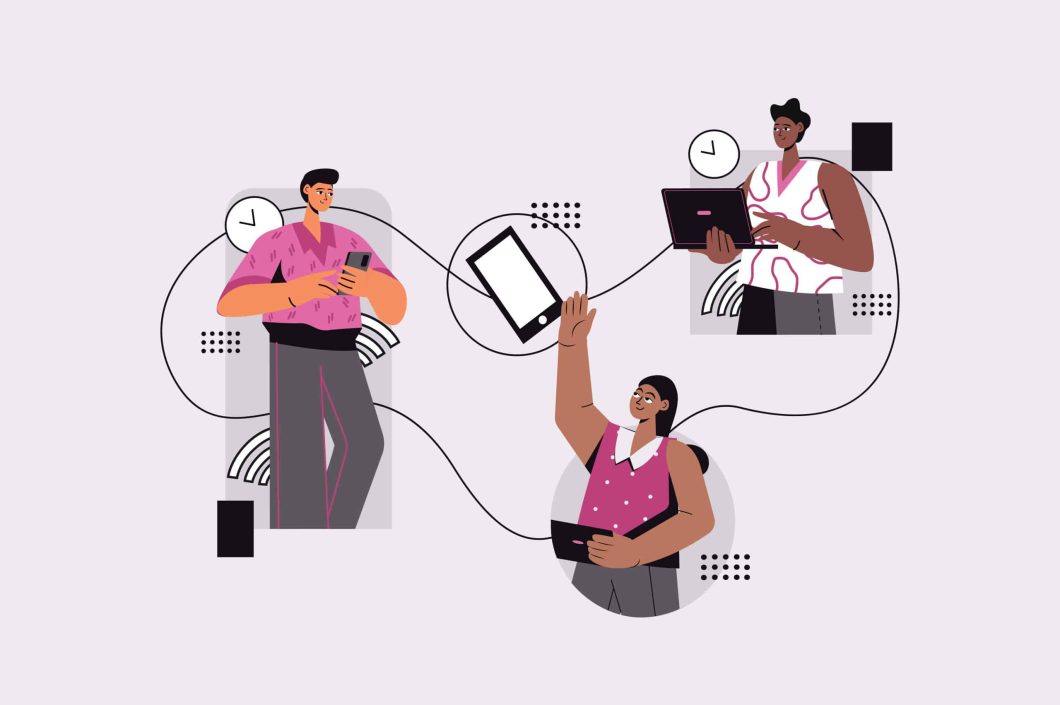
Although the benefits of remote work are well-known, the underlying challenges to working from home demand closer attention. For many creative professionals, the move away from a defined workplace has hidden costs: isolation that dulls creativity, blurred boundaries between work and life, fewer opportunities for real-world connections, and creative fatigue that arises from spending too much time in isolation. At the same time, working from home can feel liberating; no commute, control over your day, and the comfort of working in your own space. Yet these positives mask a deeper tension: it’s easy to end up feeling disconnected from the very ideas and people that can make work flourish.
This is where the value of a shared workspace becomes apparent. Spaces such as Creative Works are not just alternatives to the home office; they offer something fundamentally different: a rich environment for connection, community, and creative collaboration that remote work alone rarely provides.
What You Could Lose When You Stay at Home
Working from home certainly has its perks, but it also carries subtle costs that are not always evident until they are felt. According to Buffer’s latest State of Remote Work survey, 23% of fully remote employees cited loneliness as their second‑largest challenge (after issues with collaboration and communication). These challenges can impact both the quality of your work and your wellbeing, with potential long‑term consequences for professionals. Here are some of the most common pitfalls for creators working from home:
- Isolation and creative fatigue: Days spent in virtual silence can dull motivation and diminish enthusiasm. The lack of face-to-face interaction with people outside of your household means fewer spontaneous conversations and fewer moments of serendipity that can spark fresh thinking and innovation.
- Blurred personal and professional life: Without clear boundaries between home and work, many people find themselves finishing late, checking emails on a Sunday, or struggling to switch off. Over time, that can wear on your energy and focus.
- Limited external perspectives: Remote working communities are often limited to video calls or chat threads. Without the opportunity to walk into a room full of varied practitioners (designers, writers, makers, strategists), your creative horizon can feel narrower.
- Hidden financial costs: Although working from home offers certain cost-saving benefits, it actually shifts many everyday expenses onto workers. These include higher utility, equipment, and technology costs. By sharing resources in a coworking space, you can reduce these costs, making it less likely that any additional expenses will offset the financial savings from avoiding a commute.
The Value of a Shared Space for Creative Wellbeing
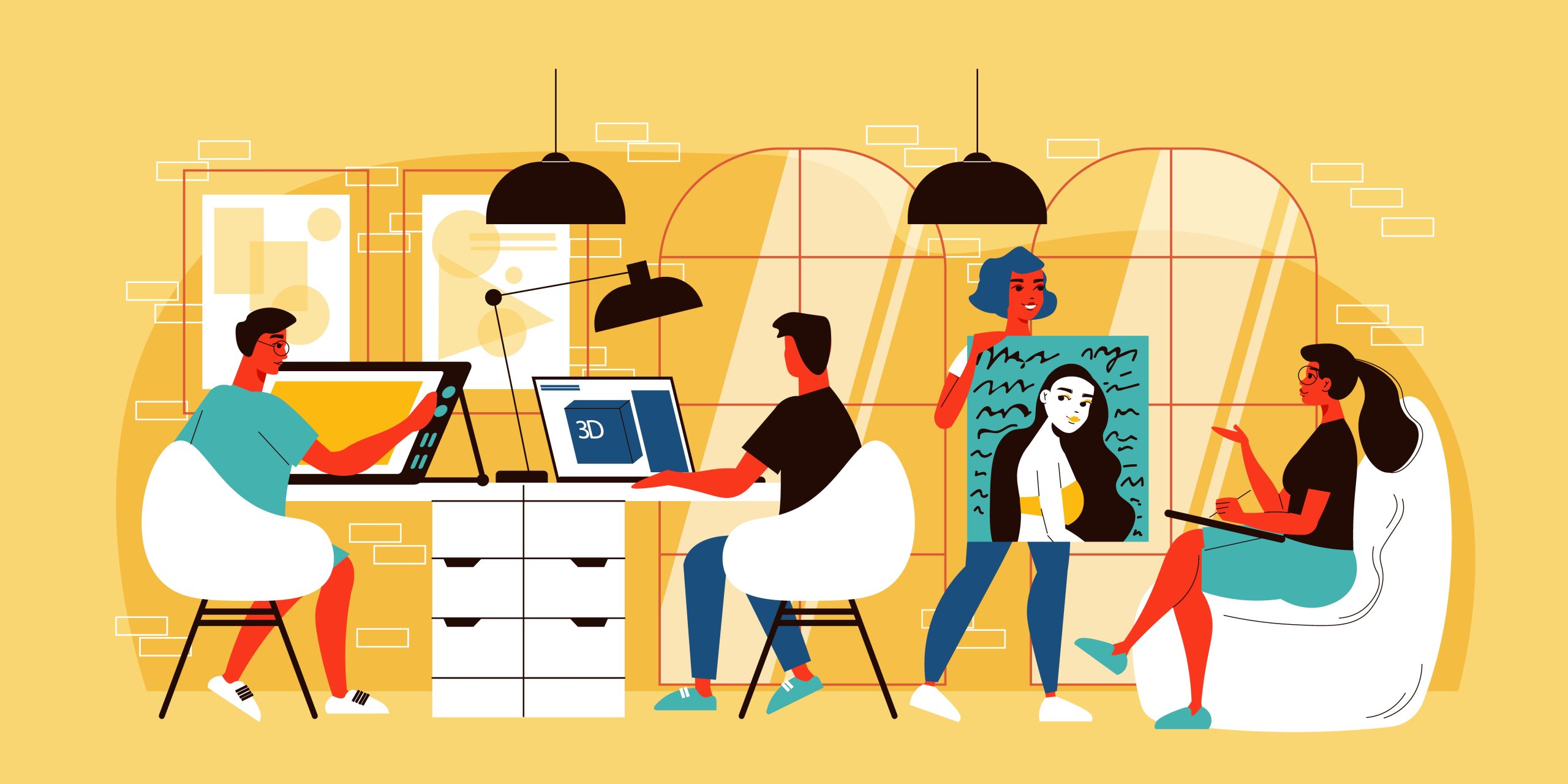
Coworking transforms the way we work. Spaces, including Creative Works, offer an ecosystem built for genuine human engagement and creative life. Many remote workers find that simply being around others fuels more originality than they realised they were missing while working from home:
- Community and connection: Being surrounded by a diverse group of creatives (including designers, writers, and branding experts) encourages spontaneous conversations, feedback, and potential creative partnerships. A further benefit is that connecting and collaborating with others can significantly reduce feelings of isolation.
- Inspiring, creativity-focused environments: Coworking spaces are intentionally designed with visual interest, flexible layouts, natural light, and inspiring aesthetics—features that a kitchen table or home office rarely provide.
- Networking and professional growth: These spaces offer opportunities for expanding your professional network through social interaction, workshops, and events. This can all lead to referrals, partnerships, or new client leads.
- Ritual, rhythm, and balance: Commuting (even a short walk or cycle) provides your brain with a clear transition between life and work. Access to a dedicated workspace structures your workday and makes it easier to disconnect when work ends.
Make Coworking Work for You
Coworking may not be a one-size-fits-all solution, but for many creatives, it has become an essential bridge between the solitary world of working from home and the vibrant energy of professional collaboration. For those who are not yet coworking members but are beginning to recognise the benefits of a coworking environment, it is worth considering how to make it more than just an ‘office away from home.’
Start by choosing your commitment level: hot desking or day passes can be effective if you want flexibility and variety, while dedicated desks or studios are better for those seeking a stronger base and sense of identity within the community. Equally important is being present (not just physically). This means attending events, greeting your neighbours, and joining discussions, because it’s through these interactions that ideas collide and new paths open. Treat the space as part of your work identity: working somewhere that feels alive and connected can help you view work as more than a series of tasks, but rather a meaningful part of your creative life.
A New Balance for Creative Work
Remote working will continue to be an important part of modern professional life, but it should not come at the expense of connection, collaboration, and creative energy. Coworking spaces can offer a way to hold the best of both worlds: the freedom of independent work with the richness of community. In a time when creativity and resilience matter more than ever, choosing where you work is not just about productivity; it’s about sustaining your energy, sharpening your ideas, and growing your business in a supportive, inspiring environment.